Japandi
- Vali Enculescu
- Nov 26, 2023
- 2 min read

Though it may seem like a trendy buzzword, Japandi style in interiors is anything but a new aesthetic. A mashup of Japanese interiors and Scandinavian interiors—both of which have centuries worth of personal history—the roots of these intertwined aesthetics run deep. “Maybe some people think Japandi just happened, but the relationship between Japan and Scandinavia started a long time ago,” says Laila Rietbergen, the author of Japandi Living(Lannoo Publishers 2022) and owner of the popular Instagram account @japandi.interior. Though centered on tranquil, minimalist, and functional interiors, the aesthetic often permeates into more than just the look of a home. “This design style and principles truly supported a healthy meaningful lifestyle,” Shanty Wijaya, an interior designer and owner of AllPrace tells AD. “It teaches us to find beauty in imperfection, form deep connections to the earth and nature, and enjoy the simple pleasures of life.”
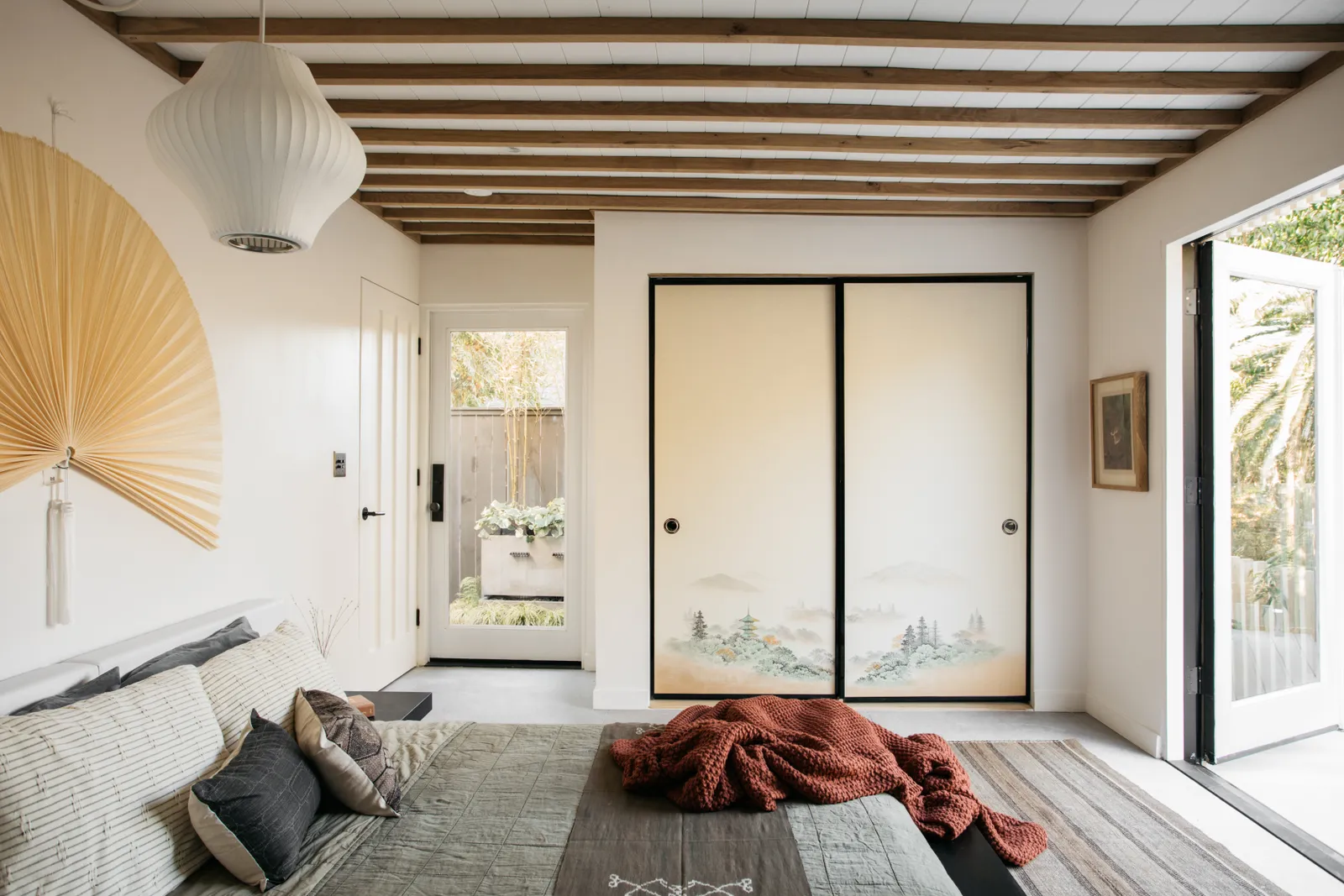
In the most basic sense, Japandi style is a mixture of Scandinavian design and Japanese design. “It is the East-meets-West design movement. It blends Japanese artistic elements and wabi-sabi philosophy with Scandinavian comfort and warmth or hygge,” Wijaya explains. “Both Japanese and Scandinavian design aesthetics are focused on simplicity, natural elements, comfort, and sustainability.”
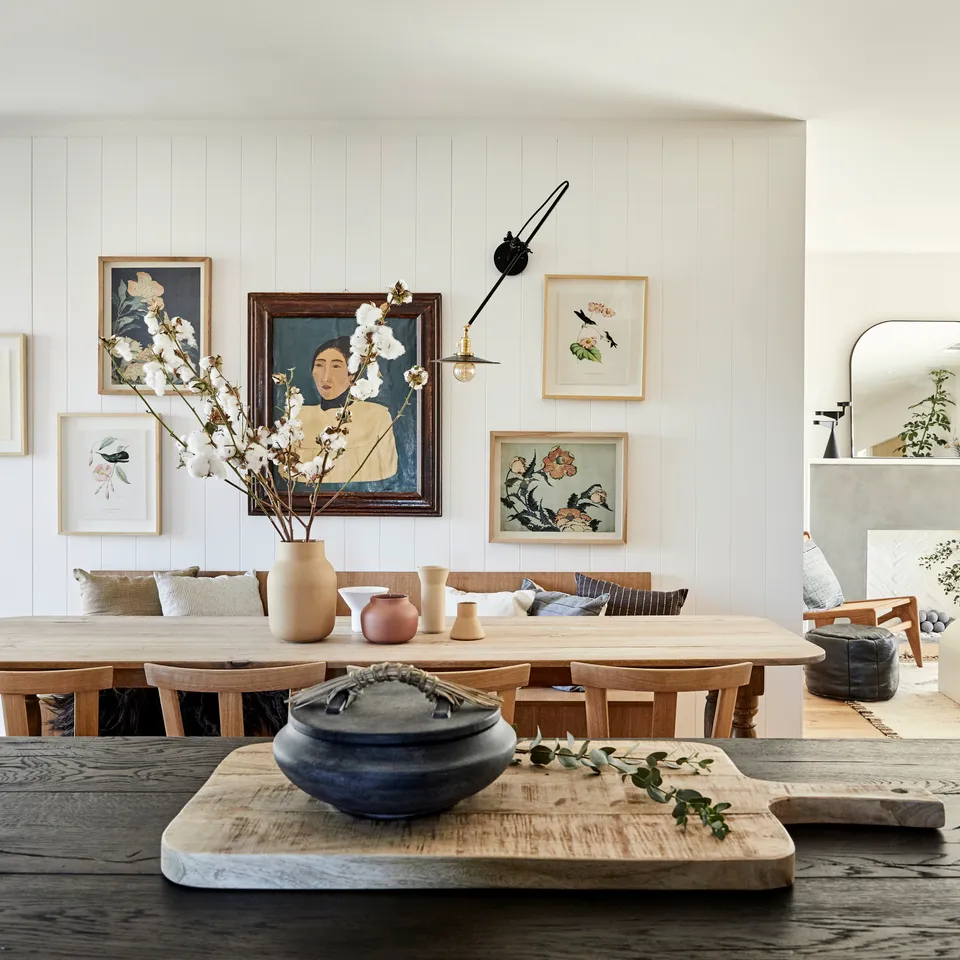
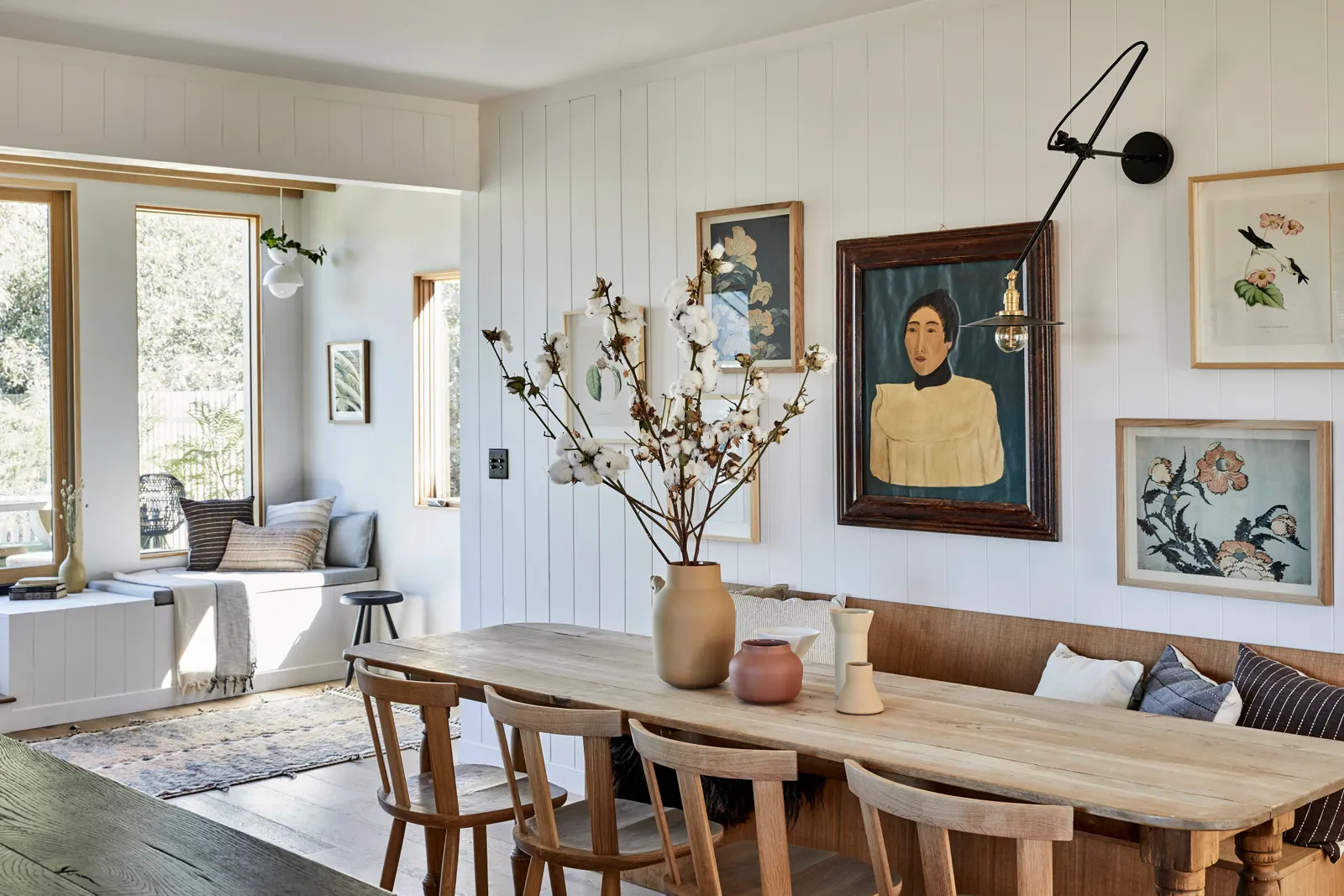
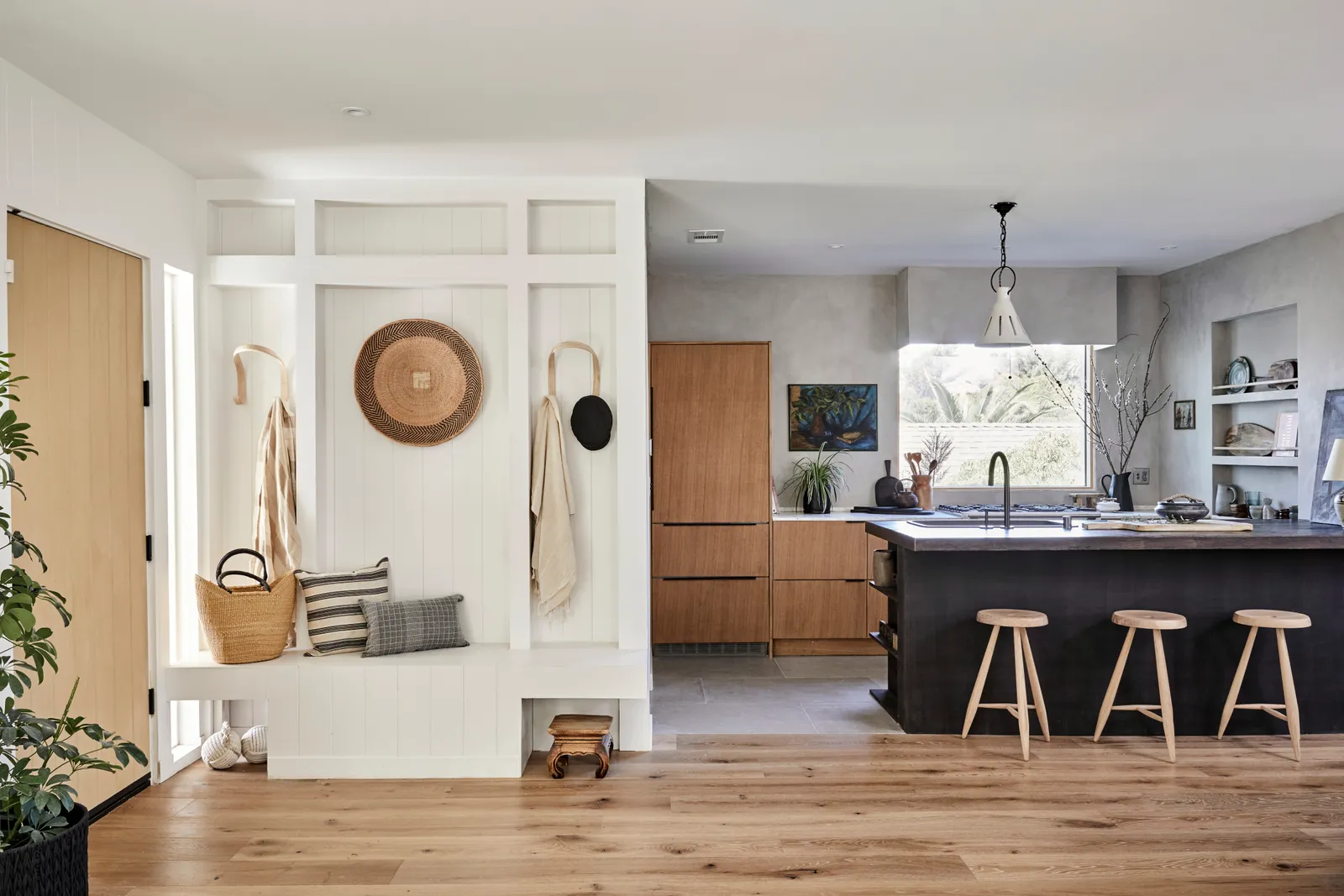
Rietbergen, who is from The Netherlands, fell in love with the Japandi decor and interiors after a trip to Japan in 2018. “One of the reasons I love Japandi is because it’s a blend and more than one interior style,” she says. Generally, Japandi interior design makes use of neutral colors, high-quality and natural materials, and an emphasis on greenery and nature. “In both Japan and Scandinavia, people love to spend time in nature and bring nature into their home,” Rietbergen says. “This resonates not only by using natural materials like wood and linen, but also in the use of organic shapes and combining different shapes.”
Japandi homes, though a more established style now, date back hundreds of years. “After the closed-border policy of Japan, which lasted for around 200 years, they opened their borders in the mid 1850s,” Rietbergen explains. Scandinavian designers and artists began visiting Japan and quickly became enthralled with the Japanese style. “They were very enthusiastic about the country, culture, and all the amazing items in the shops. These items became an inspiration for a lot of artists and designers in Scandinavia,” Rietbergen continues.


Comments